
Amanda Iheme: What Saving Lives Has Become For Me
By StoriesFromNigeria ·
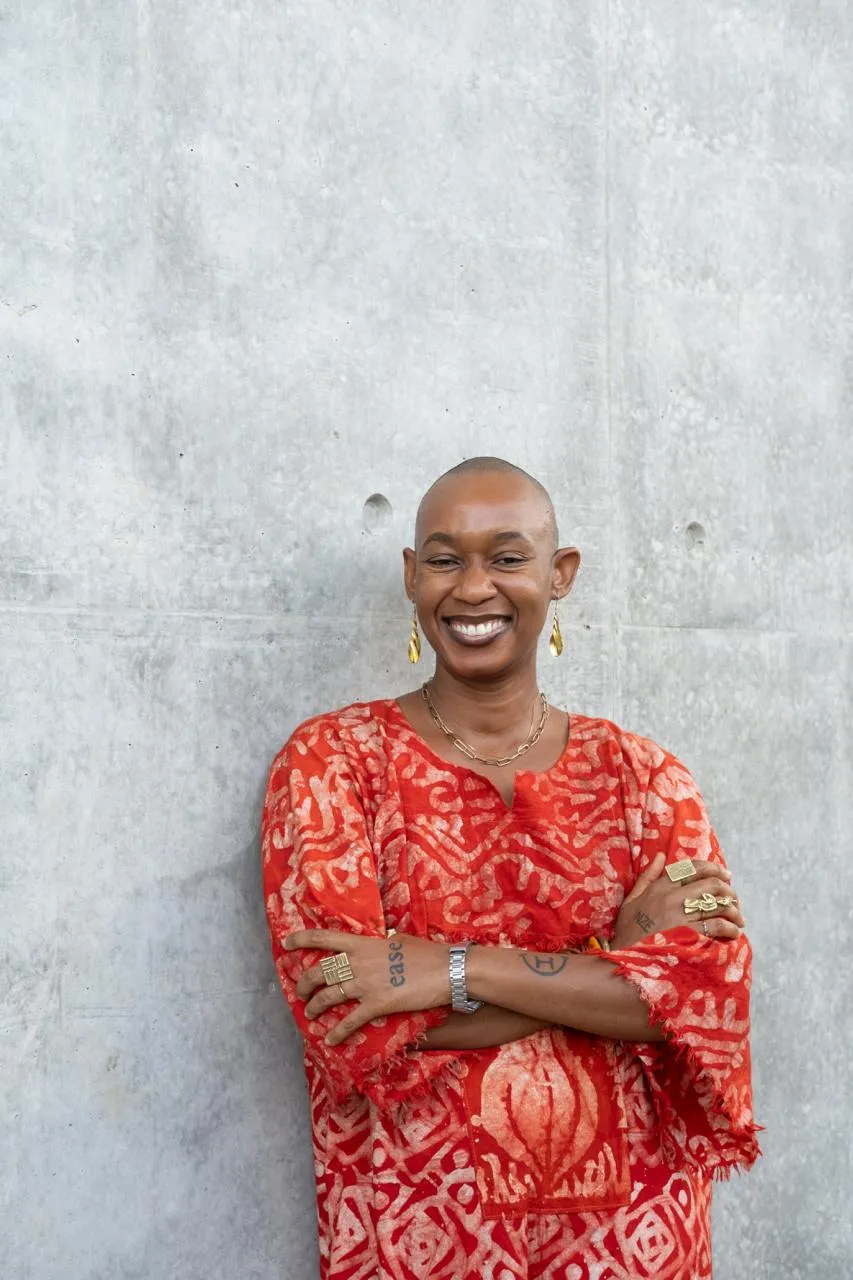
I read a lot as a kid. My dad had a lot of books. He’d come home with Time magazine and Reader’s Digest, and I’d read those too. I also watched a lot of television; cartoons, music videos, the History Channel, the Discovery Channel. My dad loved those medical shows where people came in with these strange illnesses nobody could figure out. I loved those. I was about twelve or thirteen years old, watching that with my dad every night.
In my third year of secondary school, my classmate in secondary school died. She had a brain tumor, and there was no neurosurgeon in Nigeria who could treat her. I thought that was weird. I mean, I’d literally spent so many nights with my father and my brothers watching TV shows of people having brain tumors removed from their heads and surviving. So what do you mean there were no neurosurgeons here? I thought to myself, I want to do that. I want to study Neurosurgery.
Over the years, my desire to save lives took two different shapes. One I found in psychology, and one I found behind a camera.
One instance says it best.
I remember meeting the daughter of an architect who designed a building I’d photographed in 2018. Her father was sick, and she was so worried about whether anybody had any pictures of the building because by the time she and I were speaking, it had already been torn down. But I had the photos, and she was very grateful for them. Imagine being by your parent’s sick side, worried whether you’ll ever get the chance to protect the things he’s created while also caring for him. And then somebody just drops it on your table and says, “don’t worry, somebody else already did that for you.”
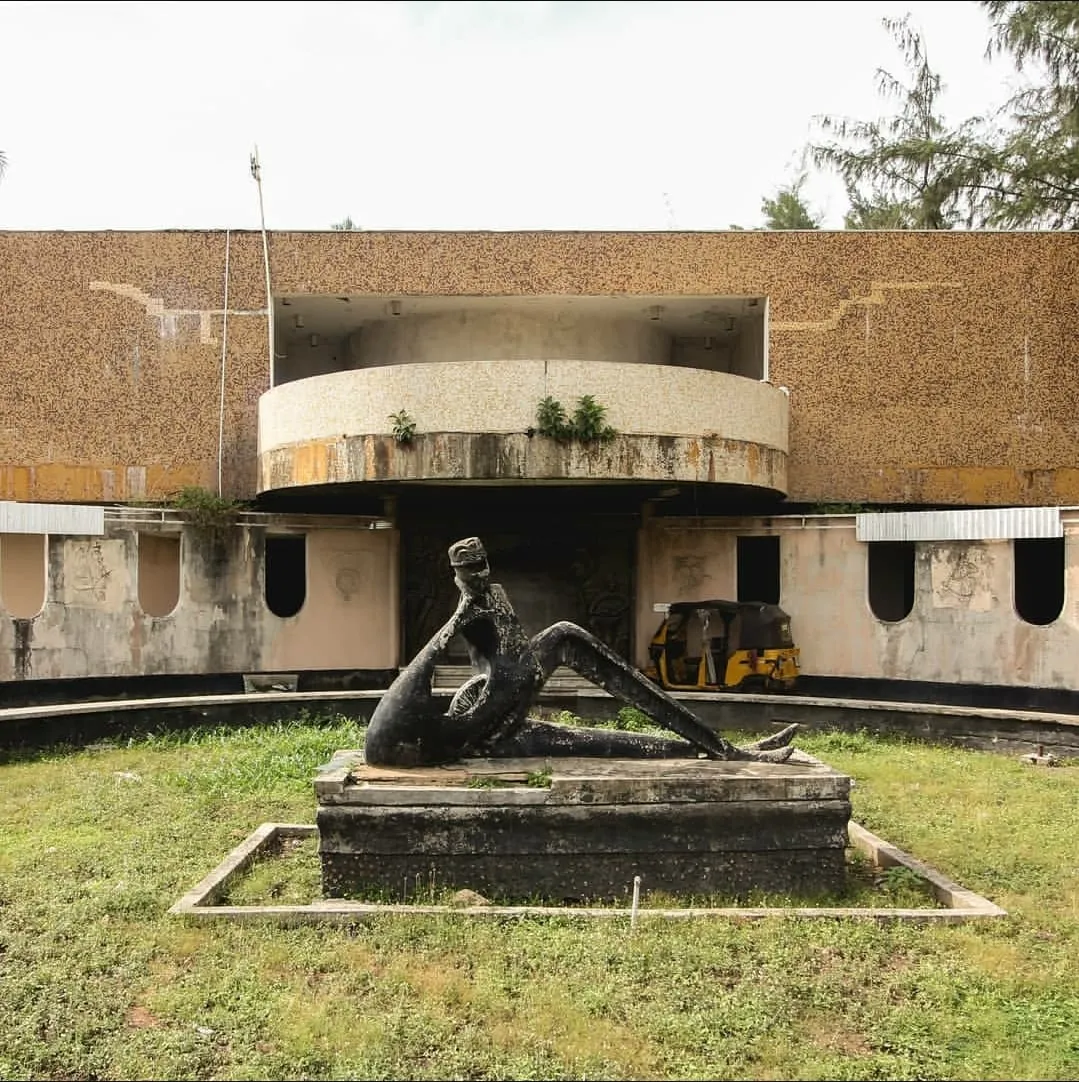
Credit: Government Houses. Images by Amanda Iheme
I’ve documented some buildings that are so important to our cultural heritage. Those buildings get torn down, and the existing memory of them is just the images. I create memories and I think that in itself is powerful. Seeing how the images I take change and impact the way people see buildings, how people see their environment is a very interesting thing.
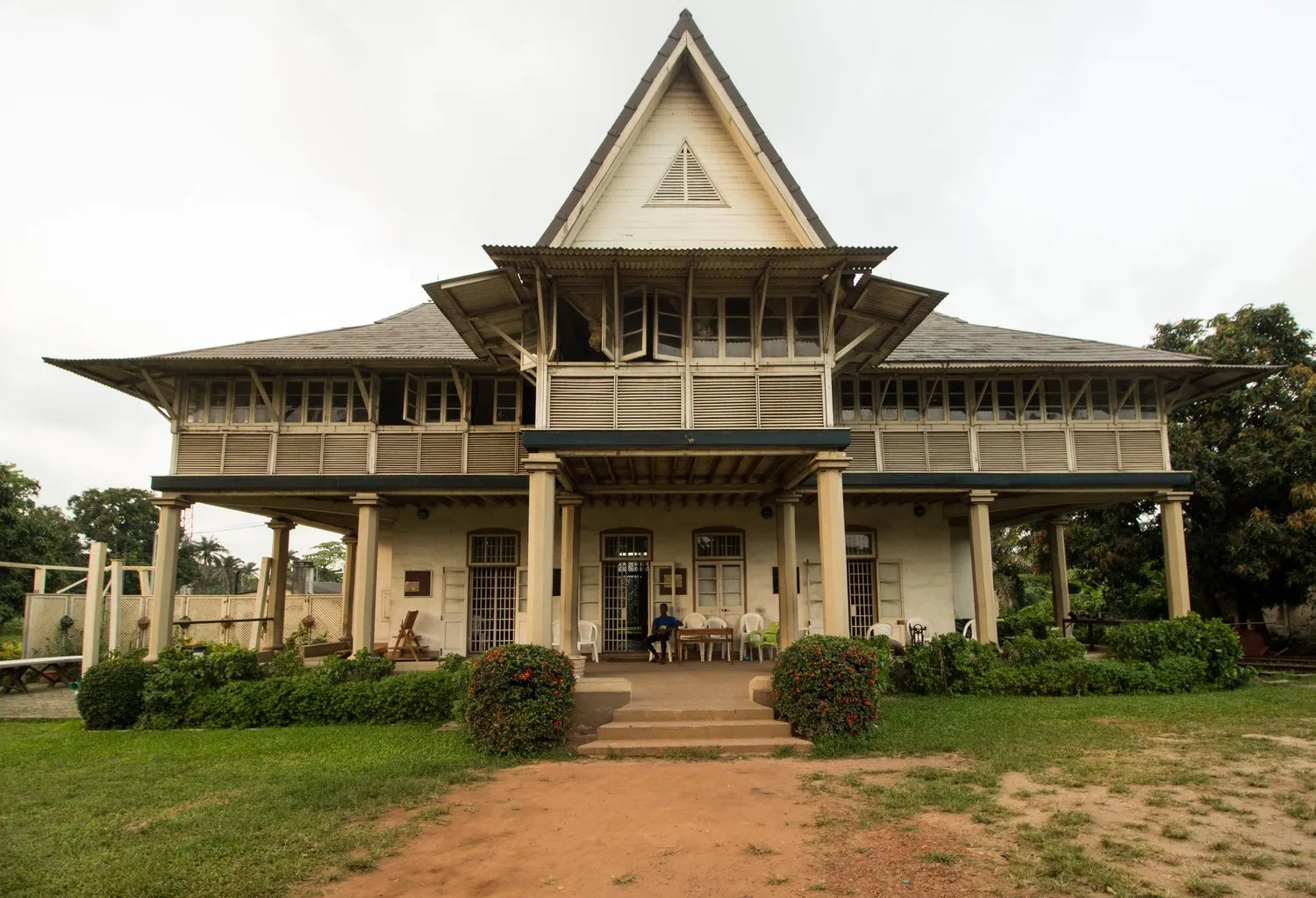
Credit: Restoration - Jaekel House. Images by Amanda Iheme
But photography came after.
I’ve always liked being around people, talking to people, hanging out with people. I think caring for people was something I grew into as I got older. I realized that part existed in me and I had the desire to help people. So maybe I have a natural inclination toward caring for people and empathizing with them. Being a first daughter, an only daughter among my brothers, puts you in a space where your worth is really tied to your capacity to serve and give to others. I think the desire to serve was a conditioned experience but I genuinely believe there is a part of me that just likes people.
Even being a clinical psychologist, you get to see how your work changes the lives of people. I have seen it help people navigate some of the most difficult things a human being can experience. I’ve seen it touch not just the people I work with, but my own personal life, and the lives of my friends. It’s such a powerful job and I respect it a lot because I am able to do it. I do my best to do it well, and I’m very proud of it.
Becoming a Psychologist wasn’t the initial plan.
After my secondary school, it was time to find a university. My father did this thing where he didn’t impose on any of his children what to study in school. All you had to do was defend exactly what it was you were studying, and why you wanted to do it. My dad gave me the brochure for a university, and while I thought of studying neurosurgery, I saw Psychology listed. My dad said “it would be better for you to try something else, to look at something apart from the medical field, because the Nigerian medical field doesn’t treat doctors well.” Case in point, our doctors are leaving. So I applied for Psychology. I thought to myself “since I can’t take out tumors, at least I can read people’s minds, and enter their heads another way.”
I was sixteen years old around the time I started studying Psychology at the University of Ghana. I was the youngest in my entire class and probably the entire school until another sixteen-year old Nigerian kid showed up. I remember telling myself that I wanted to help people figure out what was going on with them in their lives and particularly what went on in their childhood.
The first two years of school weren’t very memorable. I was just trying to find my bearings, away from Nigeria by myself for the first time. My only focus was, “Okay, now you’re in university, you have to pass.” But by my third year, I wasn’t studying for my grades anymore. I was studying because I actually liked that shit. Ironically, that was even when my grades started getting better.
By the time I clocked eighteen, I was in my third year. I was figuring out my identity and my role in the world, the way you do in your teenage years. At the same time I was learning about the human mind. I became aware of the fact that I really liked understanding the human mind, and the more I grew, the more that part of me expanded, the more in love I felt with psychology. It just kind of merged into each other in the end.
After my bachelor’s, I came back to Nigeria. I did my youth service in Ibadan, where I worked as a guidance counselor for a secondary school in the barracks at Ojo. I was also a radio presenter at the time.
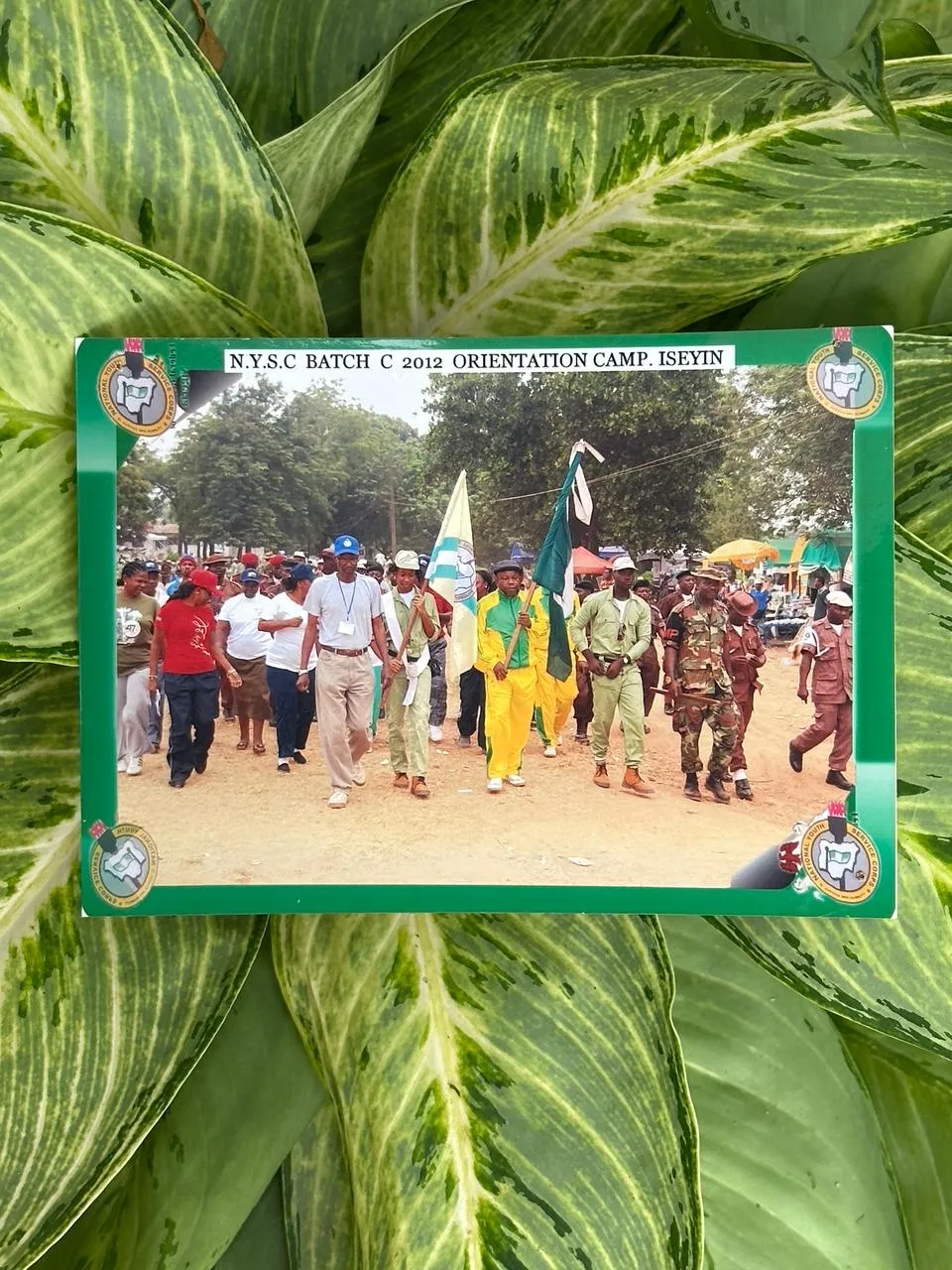
Working with the kids in a system that does not protect children is exhausting. I made myself a safe space across the different classes, the whole school liked me. All the students liked me, and I enjoyed being present with them. But I couldn’t be fully present, because I was hustling between the school and the radio station. And I realized something: the kids don’t have that much independence, and the people responsible for them are not always healthy people.
So I decided “I want to focus on the people responsible for the kids. I want to work with adult children, not kids.”
A lot of times in therapy, when talking to someone about their childhood, even though there’s a grown adult sitting in front of me, I can see that young ten or thirteen year old. They no longer have the bravado of a thirty or forty year old. They’re that hurt child again, being vulnerable, letting that part come through. So let me say it better “I do a lot of inner child work with adults.”
Shortly after my youth service, I went to Swansea University in Wales for my master’s in clinical psychology. I finished that, came back, started volunteering with the Stand to End Rape Initiative. I started as a counselor, became head of their counseling department, and trained other counselors coming on board.
In 2015, I’d been really sick mentally. My depression had gotten to severe levels, suicidal. I got myself help, and went to see a psychiatrist. The experience was terrible. The office was dusty as fuck. The first therapist that spoke to me was yelling at me, and I was like “bro, I have anxiety, why are you yelling at me?” He said to me, “We’re gonna find out the real Amanda, we’re gonna know who you are.” I almost killed myself, it was just too intense. Even when I complained and they handed me over to the head psychiatrist, I thought “does this man even think I need help?” His office was so depressing.
“How was I supposed to get better, when all he wanted to do was pump me full of drugs?”
So I left, and I tried to figure out my own mental health care by myself. But you can only run from yourself for so long. It took a while and I tried a lot of things but I got better.
Then in 2017 I was working as a PA for the CEO of Alara. I was quite unhappy, because it wasn’t what I really wanted to do. In between, I was still volunteering at Stand to End Rape, counseling women who had survived sexual abuse. There was one client I saw for three sessions, by the third session, I saw her getting better. I remember thinking
“Whoa, Amanda! you can actually do this shit. You helped somebody get better.”
And people need this! I looked back at the experience I had when I went to get therapy, it was terrible. Imagine if I provided therapy in a way that was softer.
My parents told me to go work for someone else before starting out on my own. So I volunteered at the Lagos State University Teaching Hospital, went every Thursday, sat in on ward rounds, and talked often to one of the consultant psychiatrists. I then tried to find the licensing body so I could join, but they weren’t very present in 2017.
Funny story.
I went for a job interview around that time, and one of the interviewees was the same therapist who had yelled at me two years earlier. I looked at him and thought, “yo! remember me?” He didn’t. That interview was terrible. I told myself, I would never work with these people in my life. I don’t need this, I’m gonna figure my own shit out.
On February 22nd, 2017, I went on X (formerly called Twitter) and wrote: “Hello everyone, I’m a clinical psychologist and I provide therapy, if you need help send me a DM.” That’s how my business started. Next year will be ten years.
I specialize in mood disorders which includes depression, bipolar disorder, seasonal affective disorder. I also deal with anxiety disorders like generalized anxiety, panic disorder, social anxiety, phobias. And trauma and stress-related disorders like acute stress, PTSD, adjustment disorders, grief, people trying to navigate life change. And existential work that is helping people find meaning, find purpose, find themselves.
Clinically I have to separate these, but they tend to connect. Working with Nigerians, whether they come to me with PTSD or depression or anxiety, I always end up back at their childhood. There’s a lot of child abuse that happens in this country, and I don’t think of it as just a mental health condition, I think it’s a physical health issue, a socioe-conomic issue, a political issue.
A lot of what we’re dealing with can be traced back to traumatic experiences that were never processed like growing up in dysfunctional homes with poorly emotionally regulated adults raising more of the same. That’s the root of everything. Over the years I’ve had to teach people how to reparent themselves, regulate themselves, find themselves, and process abuse. That’s the path my work has taken focusing on the impact of childhood experiences on adult life.
I meet students who are interested in specializing, and I tell them, “There’s a market for it. Nigerians really need therapy and they’re asking for it. Don’t feel deterred, just make sure you get the right training, because you’re not just talking to people, you’re in people’s heads, and you can’t play around with that.” Looking back from when I started to now, things have changed for the better, even though there’s still room to grow.
Psychology wasn’t the only place that desire showed up.
I had always liked images before I liked photography. I remember those wallpapers that used to come on Microsoft XP, I always thought they were so beautiful. Remember the Time magazines my dad brought home, I liked the ads, the landscape views, and the cover photos.
When I was in school, a friend of mine would download zip folders of images, cars, graphics, fashion, and sometimes I’d just sit and scroll through them. One day I went to visit another friend and he said, “oh Amanda, I just bought this new camera.” He looked at me and said “let’s take it out for a spin.” He took pictures and I also did, and he told me “wow, Amanda, you have an eye.” He asked me to model for him, and sometimes I’d take his camera myself, just out of curiosity, just to be photographing something.
That’s the kind of person I am, honestly. Right now I’m learning to play the violin. If I see something interesting and I have the opportunity to engage with it, I will.
He introduced me to his mentor, whom I started dating not long after. The relationship was brief. When we broke up we were still cool, and he kept teaching me, “Pay attention to the light, pay attention to composition, just keep shooting, you have to put in your ten thousand hours.” Whenever I was going from school to the radio station and back, I’d take pictures on my phone and send them to him.
Before I travelled to Swansea, he sent me my first camera from Ghana. I still have it. It helped me settle into school.
I wasn’t sure what type of photographer I wanted to be. I tried a hundred strangers, just walking up to people and photographing them. I tried product photography, then babies, weddings, street photography, event photography, portraits. None of it quite worked for me. Then one Sunday, the person I was seeing at the time looked through my images and said, “Amanda, you take really nice pictures of buildings.”
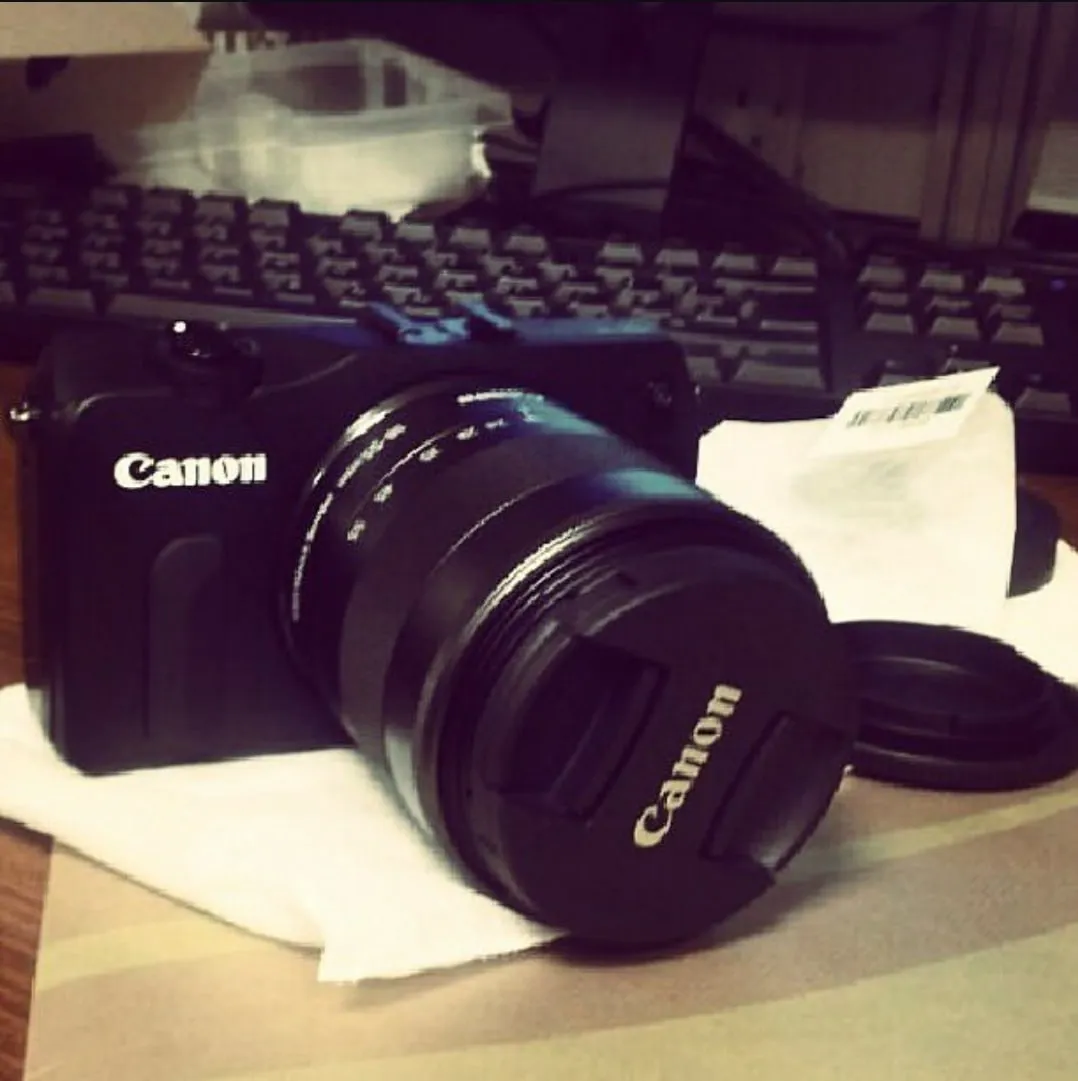
Credit: Amanda Iheme Instagram
So I took my camera out and photographed some buildings. When I got home and looked at those pictures on my laptop, I was in love. That is what I want to photograph for the rest of my life. That was 2017.
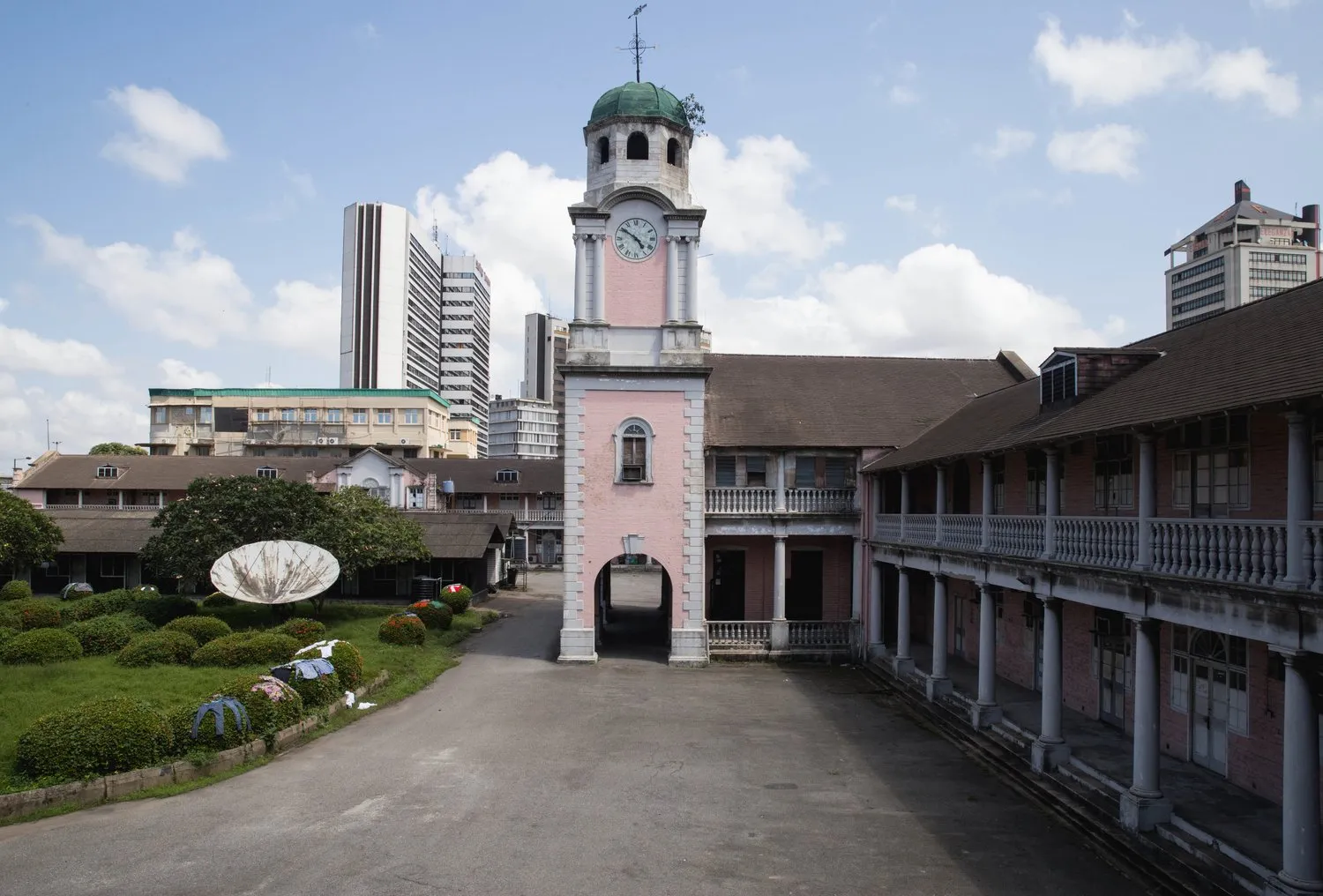
Credit: Stagnation - Old Secretariat. Images by Amanda Iheme
I found photography around 2012, but I found architecture photography, what I currently specialize in, in 2017. Next year will make it ten years I have been doing that.
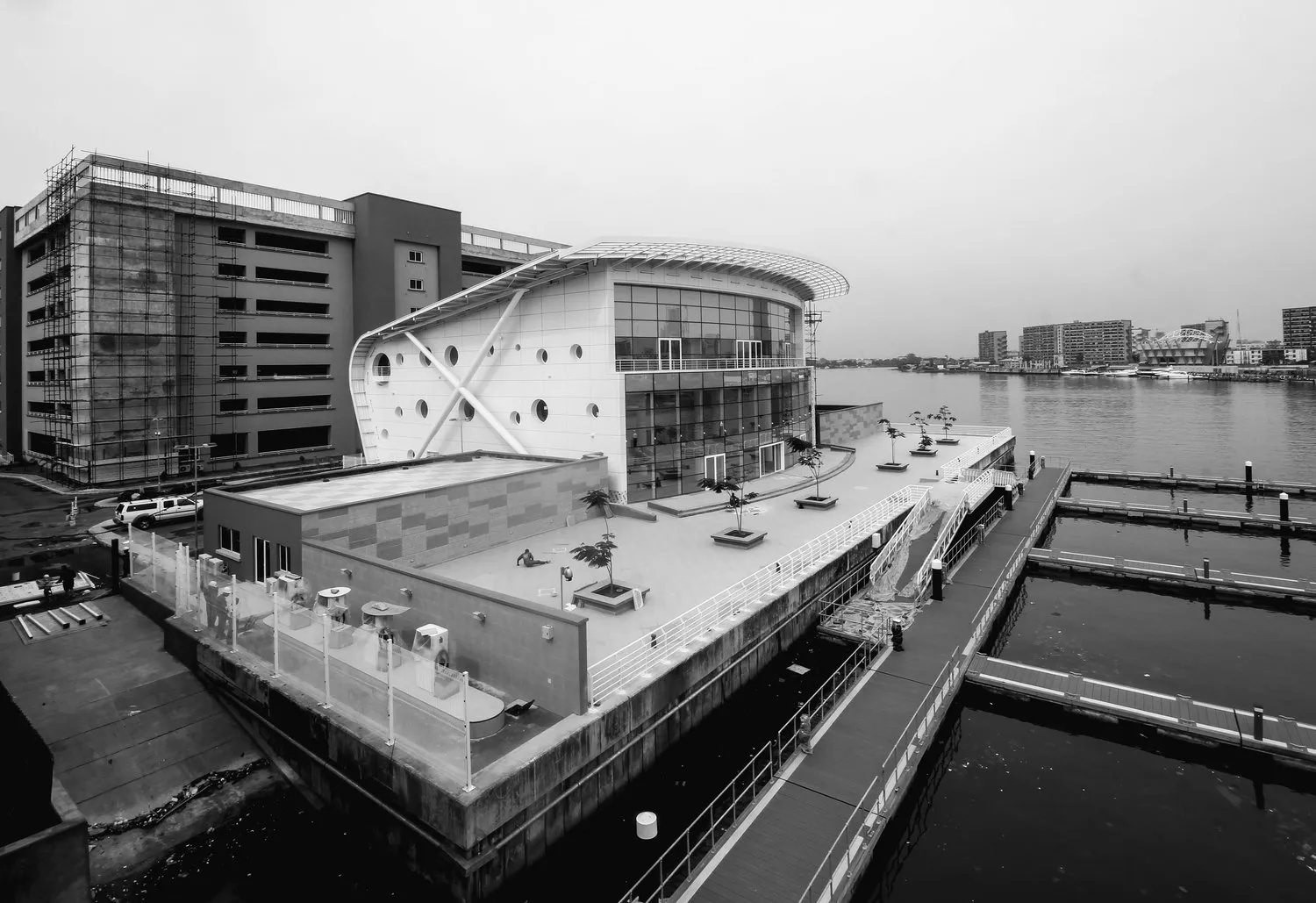
Credit: Creation. Images by Amanda Iheme
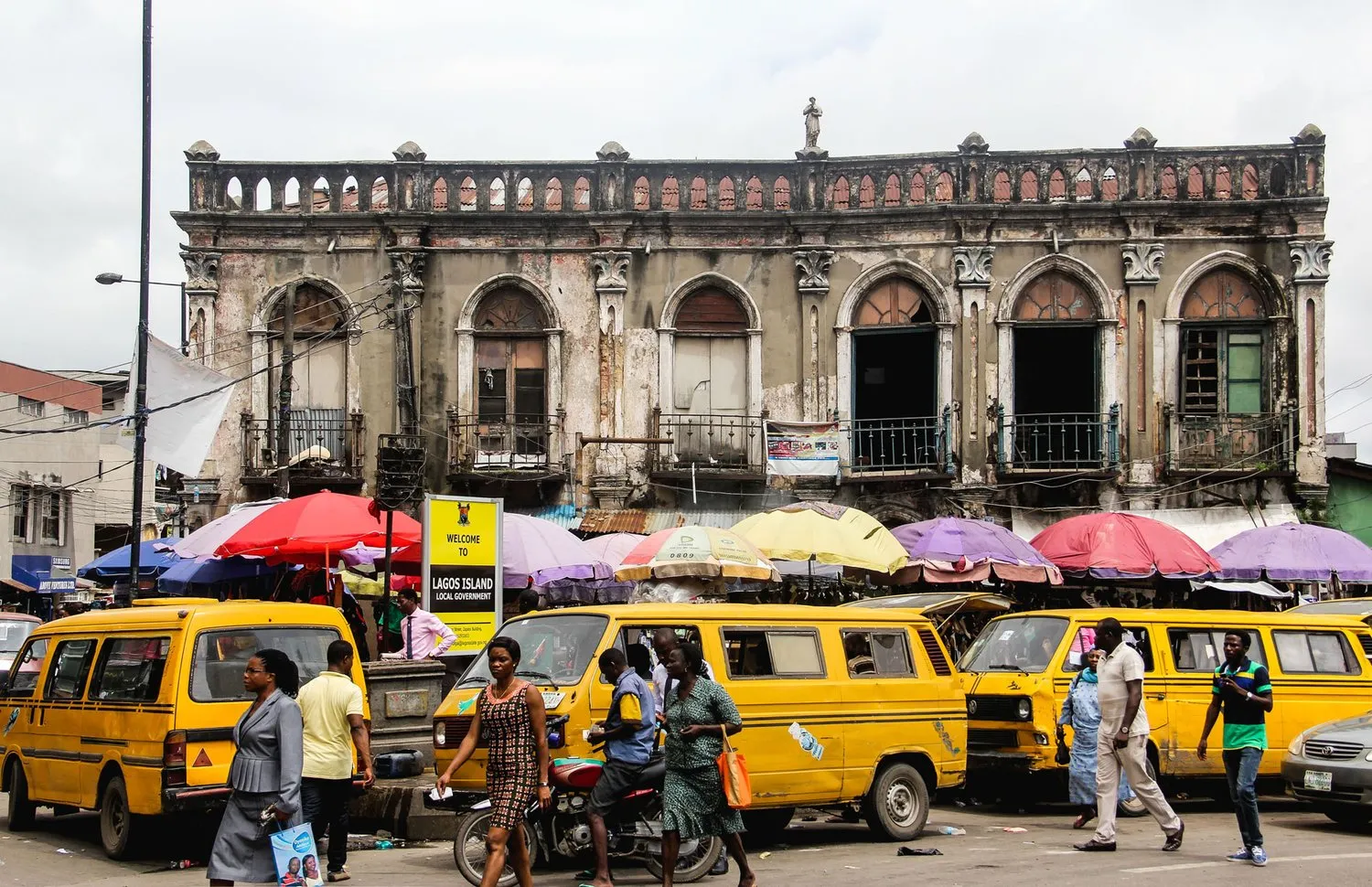
Credit: Death - Casa De Fernandez. Images by Amanda Iheme
Doing all of this only works if I take care of myself too.
I’ve had about seven therapists since I started seeking mental health care at 18. I’m 33 now, so that’s about 15 years of trying to get my own care right. Taking care of my mind has been a very important thing for me, because I’m responsible for other people’s minds too, so I have to make sure mine is okay. If I’m not okay, I seek help. When I’m okay, I do the things that keep me okay. When it comes to how I take care of my own mind it’s my friends, my family, my siblings, especially my brothers, who are a huge part of my life. If I have any stress beyond my capacity to handle, I have a wonderful support system to lean on.
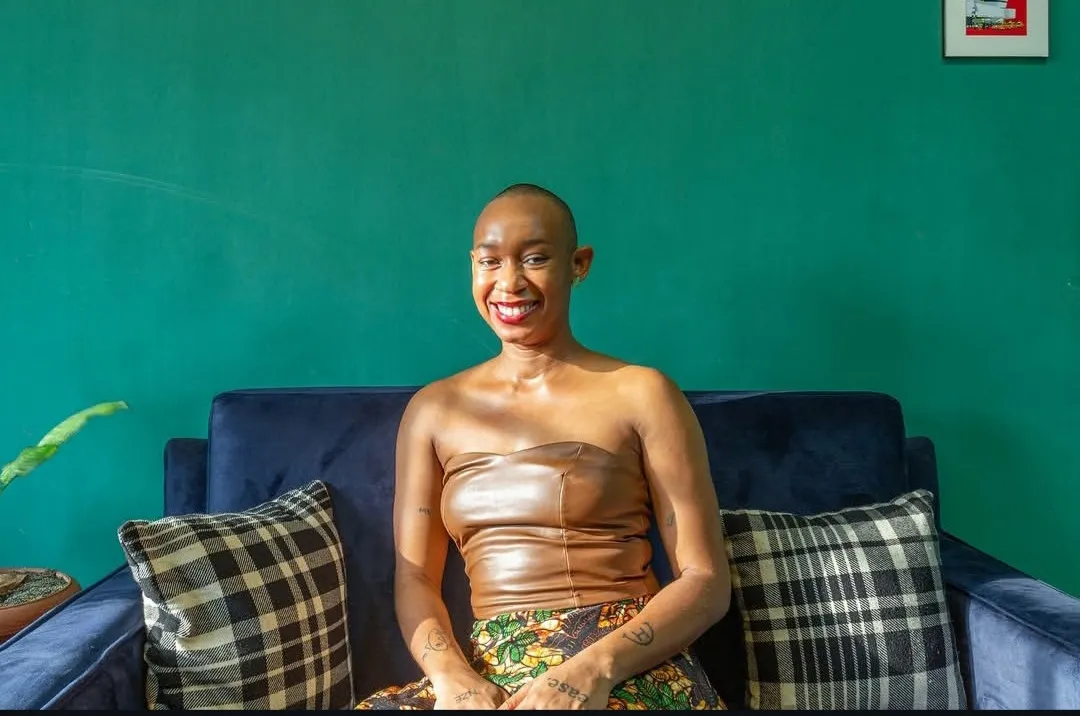
Credit: Amanda Iheme Instagram
I am also grateful for the team I have. Some of my staff have been with me for four years, some six years. We’ve built systems together, helped lives transition, gotten degrees, and had children. I’ve been able to create a beautiful environment, not just for my clients but for my staff too. I don’t need to micromanage anybody, and that gives me the space to focus on other things that matter to me. When you have a secure base, you have the space to explore. My family, my friends, my team are healthy enough, secure enough, that they give me room to explore myself. And I take care of myself too.
Between a therapy room and a camera lens, that’s what saving lives has become for me, helping people keep what they’re afraid of losing, whether that’s their mind or their memory of the world they grew up in.
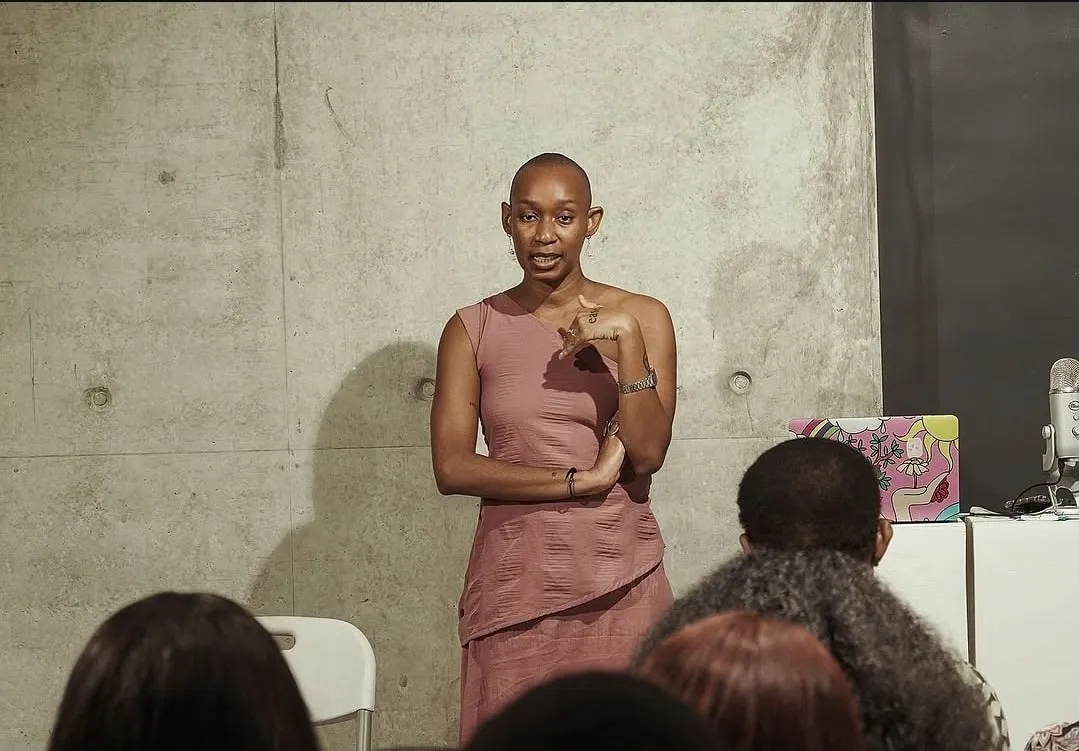
Credit: Amanda Iheme Instagram
I’m very proud of what I do, so whenever I talk about it, there’s no humility in it…